Set up in 1956, the North Simlipal National Park became one of the Project
Tiger reserves of India in 1973. It is spread over 2750sq.km in Mayurbhanj
district adjoining Bihar and West Bengal. The park consist of hills and
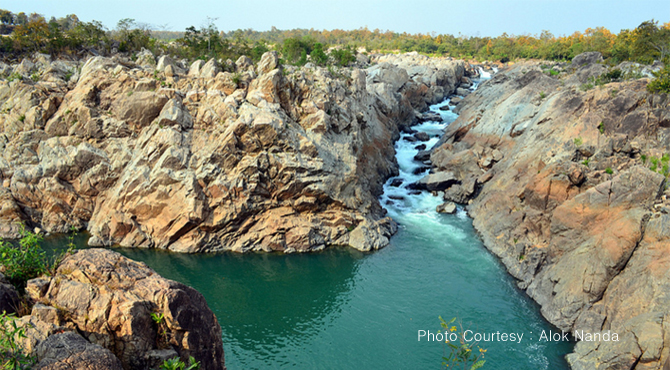
valleys, traversed by brooks, perennial rivers and waterfalls. Influenced
by the ecology of both the eastern and western parts of the subcontinent
on account of its position, the confluence makes the forest home to exceedingly
rare and diverse flora and fauna.
 The
vegetation ranges from semi-evergreen to moist deciduous and extreme dry
deciduous forests. There are extensive grasslands, Sal forests and innumerable
medicinal and aromatic plants also. The Simlipal national park is a treasure
house of 501 species of plants belonging to102 families. 82 species of
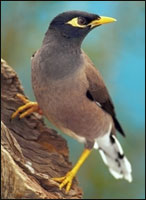
orchids have also been identified here. The park is famous for elephants
and singing hill myena. The
vegetation ranges from semi-evergreen to moist deciduous and extreme dry
deciduous forests. There are extensive grasslands, Sal forests and innumerable
medicinal and aromatic plants also. The Simlipal national park is a treasure
house of 501 species of plants belonging to102 families. 82 species of
orchids have also been identified here. The park is famous for elephants
and singing hill myena.
Other fauna found are tiger, leopard, pangolin, sloth
bear, Indian wolf gaur, chital, mouse deer, flying squirrel, mugger crocodile,
python, hornbill, peafowl etc.Hyena, Jackal and Vultures constitute the
Scavengers. The best months for visiting the park are October to June.
The park remains open from 15th Oct to 15th June. Winters are severe and
park also have heavy rainfall. The entrances to the park are at Lulung
(20km from Baripada) or on the western side at Jashipur (95km from Baripada).
Jeeps and private cars are allowed inside the park. The Barehipani Waterfall
(399 mtrs) and the Joranda fall (150 mtrs) are well worth a visit as is
the mugger crocodiles at Jashipur.The entry permit is issued from forest
offices at Jashipur or Range Officer, Pithabata at Pithabata Check Gate.
The entry timing are from 0600 to 1400 hours.
|



 Wildlife