|
|

Wednesday, April 17, 2024
|
|


 Monuments Museums & Memorials Delhi Delhi
|
| MAIN | HOW TO REACH | HOTELS | CONTACTS | |
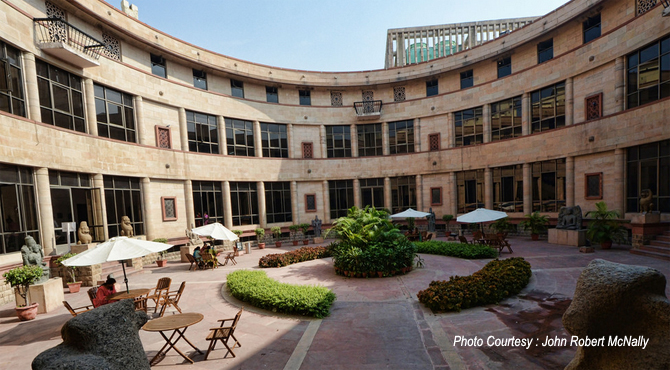
Archaeology section on the ground floor has a prestigious collection of Indian sculptural art of different reigns and periods. It has exhibits from Indus Valley Civilization, art of the Maurya, Sunga, Satavahana, Kushana, Gupta, Medieval, Buddhist and Tantra, Gupta Terracotta sculptures, Bronzes, Jewellery, stucco figures, gold, silver, bone and ivory images etc. dated from 3rd century B.C to 19th century A.D.
In the Kushana Gallery there are images of Buddhist, Hindu and Jaina deities in human form and exhibits three styles of art from Mathura, Gandhara and Ikshvaku. Classical age of Indian art from 4th to 6th Century A.D with icons of gods, fauna and flora is represented in the Gupta Gallery. The medieval galleries exhibits, representative examples of various art-styles which flourished side by side in different regions of the country under different powers between 7th and 13th century A.D. Several stone sculptures of the early medieval period and sculptures and temple art of the famous temples like the Sun temple of Konark and Khajuraho etc of the late medieval period are displayed. Bronze Gallery has some excellent bronze collections mainly religious in character from the periods of Sunga, Kushana, Ikshvaku, Gupta etc. The art of bronze casting reveals the high level technical know-how of the people in the field of metallurgy in ancient India. The bronzes were cast by the lost-wax process called Madhuchchhist-tavidhana in Sanskrit. Buddhist Art Gallery has exhibits of the three major schools of Buddhism - Hinayana, Mahayana and Vajrayana. A large number of Buddhist artifacts ranging from 2nd century B.C. to 12th century A.D. are displayed including sculptures of symbols from the Hinayana phase, Buddhist images from the Mahayana phase and images of Tantrik god and goddesses from the Vajrayana phase. Relics from major Buddhist sites in India and abroad, Thankas from Tibet and Nepal are some of the exhibits. The special interest in this gallery is a slab depicting scenes from Buddha's life and two relic caskets excavated from Piprahwa in Uttar Pradesh. Buddhist's visit this gallery to pay homage to Lord Buddha. Tantra Art Gallery has 135 super creations of varying Tantric Manifestations from different parts of India, Nepal and Bhutan and Tibet. In Decorative Art Section there are wood carved objects and bidri ware from different parts of India, ivory carvings including a temple shrine and a large Jali (screen) with rich and minute workmanship, carved jade objects of the Mughal period and a variety of other decorative articles like studded plates, cups, bowls, vessels etc. Gallery of Jewellery gives an insight to the ornaments worn in different regions from the 3rd millennium B.C. to the early 20th century. This specially designed gallery displays two hundred forty-three objects in twenty-seven showcases, each narrates a story of its own. Antique jewellery in exquisite workmanship mostly in gold and precious jewels like diamonds, rubies, emerald etc are seen here. The manuscripts section on the first floor has about 14,000 manuscripts in various languages and scripts, from India and abroad, on a large number of subjects covering period of more than 1000 years. The earliest manuscript in the collection belongs to the 9th century A.D. Some rare and ancient manuscripts scribed by great calligraphers are found here. Painting Section has a rich collection of about 17000 Indian paintings exhibited in different galleries on the 1st floor. There is also a good collection of Tibetan and Nepali Thankas, Tanjore, Mysore and Ajanta paintings, Miniatures on palm leaf, cloth and paper, Ganjifa cards, drawings, cloth paintings and scrolls covering a period from 1600-1900.The Saraswati Pata, painting on cloth, is a rare example of Jaina painting displayed in the gallery. The two galleries of Central Asian Antiquities in the first floor with the antique collections of Sir Aurel Stein of more than eleven thousand objects from Sinkiang region of Chinese Turkestan add to the attraction of the museum. It exhibits the murals, silk banners, sculpture and wall paintings that form part of Sir Aurel Stein's collection during his expeditions, brought to India in the early part of the 20th century. Some other works of art and craft include coins, beads of stone and glass, seals, leather objects, wood carvings, potteries etc. There is a beautiful fragment of wood carving from Khotan dated to 6th-7th century A.D. showing a seated Buddha in Dharmachakra Mudra and flanked by Avalokiteshvara on the right. Textile Gallery in the second floor displays variety
of Indian textiles and the art of Indian weaving through the ages. The
exhibits include excellent cotton, silk and woollen textiles covering
the entire length and breadth of the country. Gallery of musical instruments displays around
300 musical instruments from the personal collection of sarod maestro
Sharan Rani Backliwal, acquired from different parts of the country and
abroad. Anthropological collection contain nearly ten thousand objects of ethnographic interest. The objects here were collected during the exploratory expeditions conducted by the officials of the department in the tribal belts and rural areas. The collection includes headgears, foot wears, dresses, ornaments, musical instruments, terracotta, scroll paintings, santhal paintings, Madhubani paintings, wood carvings, masks, weapons, metal images, leather puppets, basketry etc. and tribal arts and crafts of Madhya Pradesh, Bihar, Orissa, Aruncahal Pradesh, Nagaland etc. from the private collection of Dr. Verrier Elwin. Timing & Entry : The museum is open every day except Mondays and government holidays. The working hours are from 10.00 am to 5.00 pm. Entrance to the Museum is by ticket, the rates are Re.1 for students, Rs.10 for Indians and Rs.150 for others. Camera fee for Indians is Rs.20 and Rs.300 for others. Guided tours are available at the museum. Films on the art and heritage of India are shown on Saturdays and Sundays. Special lectures and training programmes and gallery talks by experts are also conducted. Apart from the exhibits, the museum has separate branches of publication, Hindi, Public Relations, Education, Library, Exhibition cell, Display, Modelling, Photography, Security and Administration. | ||
NEARBY ATTRACTIONS |
|||||||||||||||||||||||||||||||||||||
|
|||||||||||||||||||||||||||||||||||||
|
|||||||||||||||||||||||||||||||||||
EXPLORE PLACES BY STATES |
||||||||||||||||||||||||||||||||||||||
|
||||||||||||||||||||||||||||||||||||||


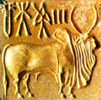 The
Indus Valley Gallery displays many antiquities excavated
from Mohenjodaro and Harappa, like terracotta toys, images and pots, jewellery,
seals, bronze and copper implements and sculpture. The most outstanding
sculpture here is the lyrical bronze Dancing Girl. Maurya-Sunga-Satavahana
Gallery display artifacts from 3rd century B.C to 2nd century A.D.
It includes stone sculptures depicting Buddha's life and folk deities
like Yaksha, Yakshi etc, terracottas, some excellent specimens of Buddhist
stupa's and carvings from rock-cut caves.
The
Indus Valley Gallery displays many antiquities excavated
from Mohenjodaro and Harappa, like terracotta toys, images and pots, jewellery,
seals, bronze and copper implements and sculpture. The most outstanding
sculpture here is the lyrical bronze Dancing Girl. Maurya-Sunga-Satavahana
Gallery display artifacts from 3rd century B.C to 2nd century A.D.
It includes stone sculptures depicting Buddha's life and folk deities
like Yaksha, Yakshi etc, terracottas, some excellent specimens of Buddhist
stupa's and carvings from rock-cut caves.  The
Coin Gallery has collections of about 1,18,000 coins of gold, silver,
copper and other alloys from 6th century B.C to 19th century A.D. Almost
half of the collection represents the coinage of Northern India from the
earliest time to present day. It is one of the richest coin cabinet
with collections from Parrukh, Jhalan, Nagu, Vyas, Deshikachari, Gupta
period etc. and there are copper plates and inscriptions from different
periods.Arms and Armour section is the collection more than 7000
items of Indian weapons ranging from the pre-historic period to the 19th
century. It include bows and arrows made of cane, bamboo, metal and those
decorated with ivory, gold and silver; swords dating back from the Harappan
civilization, personal swords belonging to famous Indian emperors; variety
of daggers decorated with gold, silver and studded with precious stones;
defence armours like shields, helmets, body armours for men and animals;
spears and javelins made of reed, bamboo, wood, metal with pointed iron
or stone blade etc; ornamental, sacrificial and ritual weapons; fire-arms
and war accessories etc. A few typical weapons belonging to Rajputs, Sikhs,
Marathas and Pahari are also on display.
The
Coin Gallery has collections of about 1,18,000 coins of gold, silver,
copper and other alloys from 6th century B.C to 19th century A.D. Almost
half of the collection represents the coinage of Northern India from the
earliest time to present day. It is one of the richest coin cabinet
with collections from Parrukh, Jhalan, Nagu, Vyas, Deshikachari, Gupta
period etc. and there are copper plates and inscriptions from different
periods.Arms and Armour section is the collection more than 7000
items of Indian weapons ranging from the pre-historic period to the 19th
century. It include bows and arrows made of cane, bamboo, metal and those
decorated with ivory, gold and silver; swords dating back from the Harappan
civilization, personal swords belonging to famous Indian emperors; variety
of daggers decorated with gold, silver and studded with precious stones;
defence armours like shields, helmets, body armours for men and animals;
spears and javelins made of reed, bamboo, wood, metal with pointed iron
or stone blade etc; ornamental, sacrificial and ritual weapons; fire-arms
and war accessories etc. A few typical weapons belonging to Rajputs, Sikhs,
Marathas and Pahari are also on display.